

Introduction: A New Era of Diamonds
Diamonds have always stood for love, milestones, and moments that last forever. But today, the diamond story is evolving—and honestly, it’s an exciting shift.
Lab-grown diamonds are changing how people think about luxury, value, and responsibility, without changing what we love most about diamonds: their beauty.
At Kohira, we believe that the best kind of luxury comes from informed choices. So let’s break this down—what lab-grown diamonds really are, how they’re made, and why they matter more now than ever, especially for modern buyers in India and across the world.
What Are Lab-Grown Diamonds, Really?
Let’s clear up the biggest question first.
Lab-grown diamonds are real diamonds. Not lookalikes. Not substitutes. Real diamonds.
They’re created in highly controlled laboratory environments, but from a scientific and gemological point of view, they are identical to natural diamonds:
Same chemical composition (pure carbon)
Same physical hardness (a perfect 10 on the Mohs scale)
Same optical brilliance, fire, and sparkle
The only difference?
Where they’re formed.
Natural diamonds grow deep inside the Earth over billions of years. Lab-grown diamonds grow above ground—in weeks—using advanced technology.
And just to be clear: lab-grown diamonds are not the same as simulants like cubic zirconia or moissanite. Those only imitate the look. Lab-grown diamonds are diamonds.
How Are Lab-Grown Diamonds Made?
Nature gave us the blueprint. Science just learned how to follow it—faster and more precisely.
Lab-grown diamonds are created by recreating the conditions under which diamonds naturally form. There are two main methods used today.
1. Chemical Vapor Deposition (CVD)
This is the most advanced and widely preferred method, especially for fine jewellery.
Here’s how it works, simply put:
A tiny diamond “seed” is placed in a sealed chamber
Carbon-rich gases are introduced
High temperatures break the gases down
Carbon atoms slowly attach themselves to the seed
Layer by layer, a diamond grows
Why CVD diamonds are so popular:
Exceptional clarity
Greater control over quality
Ideal for high-end, precision-crafted jewellery
At Kohira, this level of control matters—because details matter.
2. High Pressure High Temperature (HPHT)
This method closely mimics how diamonds form naturally inside the Earth.
The process:
Carbon is exposed to extremely high pressure and heat
Conditions replicate those found deep beneath the Earth’s surface
Carbon crystallises into diamond form
HPHT diamonds are often used to grow specific crystal structures or enhance colour.
Both methods result in genuine diamonds—the difference lies in technique, not authenticity.
Are Lab-Grown Diamonds Actually Real?
Yes. Completely. Without question.
International gemological institutions like the GIA and IGI grade lab-grown diamonds using the same 4Cs as natural diamonds:
Cut
Colour
Clarity
Carat
In fact, without specialised equipment, even trained gemologists cannot visually tell the difference between a lab-grown and a mined diamond.
What you see. What you feel. What you wear.
It’s the same diamond experience.
Why Lab-Grown Diamonds Matter Today
Lab-grown diamonds aren’t just about technology—they reflect a bigger shift in how people choose luxury.
1. Ethical Transparency
Lab-grown diamonds avoid concerns associated with traditional mining, such as:
Conflict sourcing
Unregulated mining practices
Human rights issues
For many modern buyers—especially in India—knowing where a diamond comes from matters as much as how it looks.
2. Environmental Responsibility
Compared to mining, lab-grown diamonds:
Cause significantly less land disruption
Use fewer natural resources
Can have a lower carbon footprint (depending on energy sources)
For those who want beauty without unnecessary impact, this matters.
3. Better Value, Smarter Choices
Lab-grown diamonds typically cost 30–50% less than natural diamonds of similar quality.
What does that mean for you?
Bigger carat sizes
Better clarity or colour
More room to invest in design and craftsmanship
Luxury doesn’t have to mean compromise. Sometimes, it just means choosing better.
4. Designed for the Modern Buyer
In India, lab-grown diamonds are quickly becoming the go-to choice for:
First-time fine jewellery buyers
Engagement rings
Young professionals
Sustainability-conscious families
Globally, they appeal to people who value progress, transparency, and innovation—without giving up elegance.
Lab-Grown Diamonds vs Diamond Simulants
This confusion comes up often, so let’s simplify it.
Only natural diamonds and lab-grown diamonds are real diamonds.
Cubic zirconia and moissanite may sparkle, but they are different materials altogether—with different durability, brilliance, and long-term value.
If it’s a lab-grown diamond, it’s a diamond. Period.
Are Lab-Grown Diamonds the Future of Fine Jewellery?
They’re not replacing natural diamonds—they’re expanding choice.
Natural diamonds will always carry geological rarity and heritage.
Lab-grown diamonds represent innovation, accessibility, and conscious luxury.
Together, they define what modern fine jewellery looks like today.
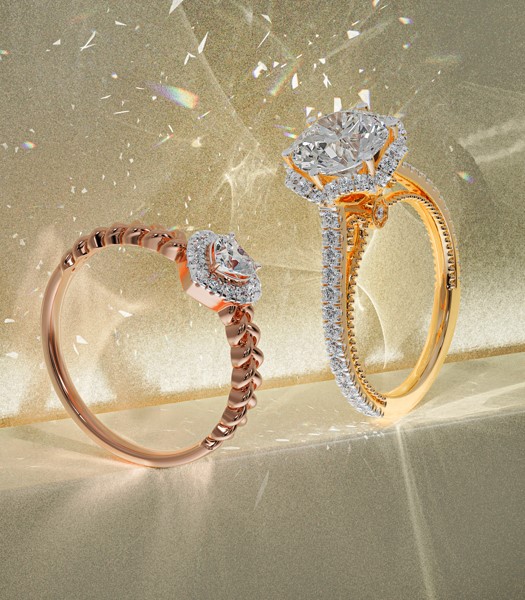
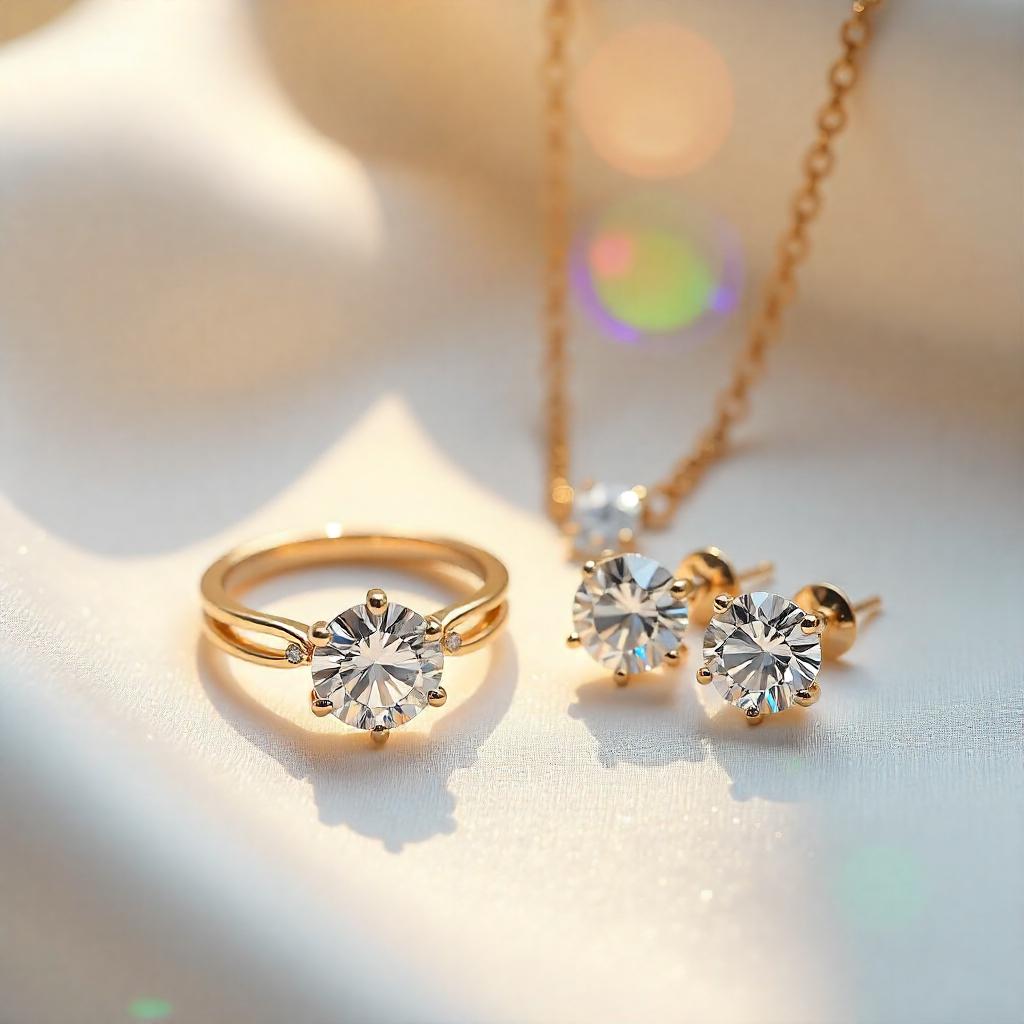
At Kohira, we focus on lab-grown diamond jewellery that reflects precision, elegance, and responsibility—without ever compromising on beauty or authenticity.
Frequently Asked Questions
Do lab-grown diamonds last forever?
Yes. They have the same durability and longevity as natural diamonds.
Can lab-grown diamonds be certified?
Absolutely. They are graded and certified by international gemological labs.
Are lab-grown diamonds suitable for engagement rings?
Yes. Their strength, brilliance, and value make them ideal for jewellery meant to last a lifetime.
Final Thoughts
Lab-grown diamonds are redefining the diamond narrative—bringing together science, ethics, and luxury in one brilliant form.
For those who want jewellery that reflects not just style, but values, they represent one of the most meaningful evolutions in the industry.
Kohira stands at the forefront of this shift—crafting lab-grown diamond jewellery for the future, while staying rooted in timeless elegance.