Introduction
A woman bought a sapphire pendant online in 2025 because the photos looked beautiful and the price seemed too good to ignore. A few weeks later, she paid for a professional test and learned the stone was fake. She lost more than $500 on a pendant that was only colored glass.
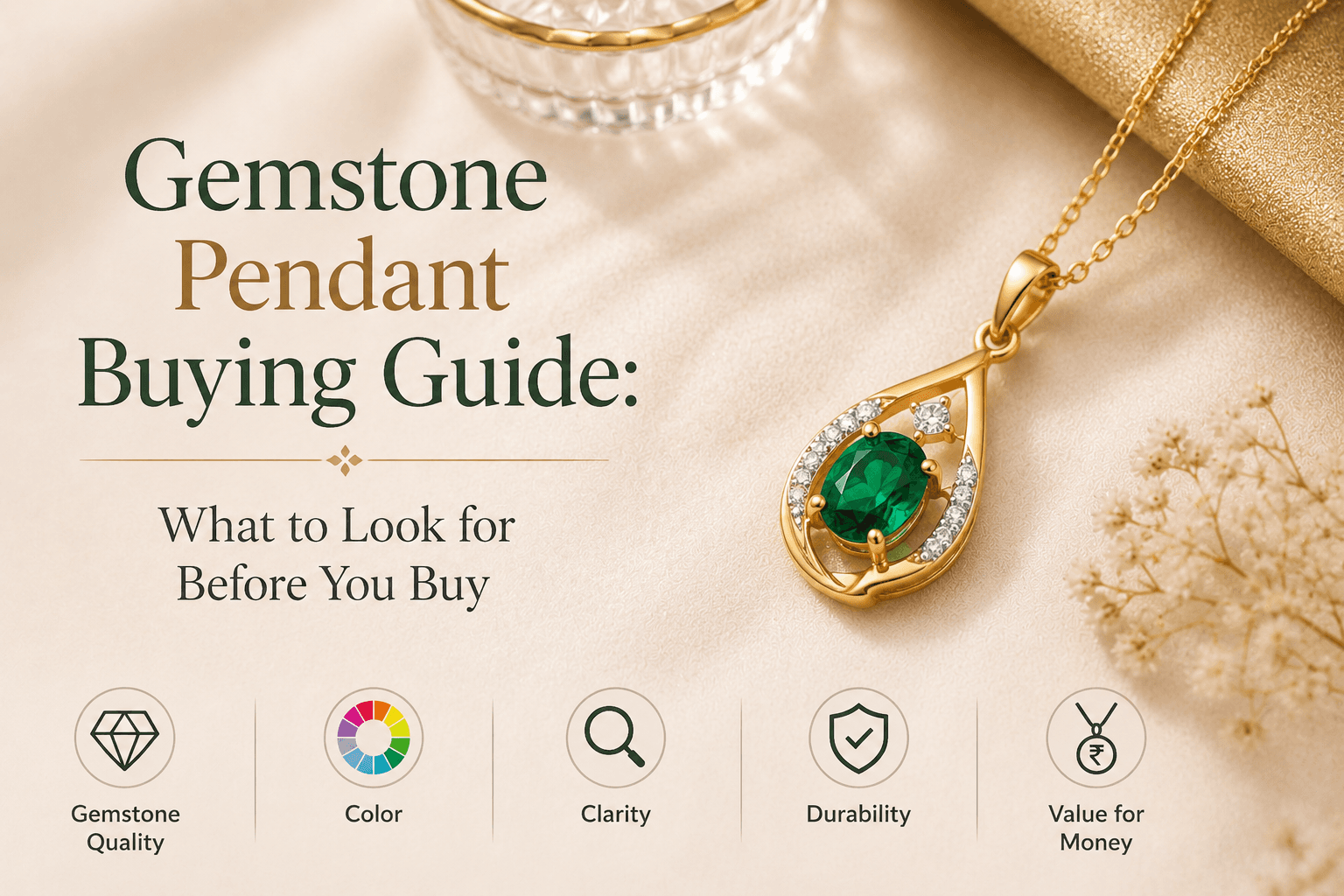
Buying a Gemstone Pendant can be exciting, but it is important to know what you are paying for. Many pendants look beautiful at first glance, but some may have fake stones, weak settings, poor quality chains, or hidden treatments.
Reports show that many gemstone pendants sold online do not include proper certification. This is why buyers should always take time to check authenticity, quality, and seller reputation before making a purchase.
This guide will help you understand how to choose the right gemstone pendant, avoid common scams, and find a piece that looks beautiful and lasts for years.
Verify Gemstone Authenticity
Seek Trusted Certifications
Certification is one of the best ways to confirm that a gemstone is real. Trusted labs can identify whether a stone is natural, lab-grown, treated, or fake.
Some of the most respected certification labs include:
Gemological Institute of America (GIA)
International Gemological Institute (IGI)
American Gem Society (AGS)
Experts recommend asking for a report from one of these labs for any pendant priced above $500.
When checking a report:
Look for hologram seals
Verify the report number online
Check if the report mentions treatments
Avoid stones labeled “lab-created” without clear details
Spot Common Red Flags
Fake gemstones often show warning signs that buyers can spot.
Common red flags include:
Air bubbles inside the stone
Uneven or unnatural color
Stones that scratch too easily
Gems that look too perfect with no flaws
Stock photos instead of real product images
Some fake gemstones are made from glass or dyed quartz. Others are sold with fake certificates. Fraudsters sometimes copy real certificate numbers from trusted labs and use them for lower quality stones.
Test at Home First
You do not need expensive tools to do a basic gemstone check at home.
Simple tests include:
Use a 10x loupe to look for natural inclusions
Shine UV light on the stone to see fluorescence
Compare the weight with similar gemstones
Look at the gemstone in natural sunlight
Natural gemstones usually have small flaws and inclusions. A stone that looks too perfect may be synthetic or fake.
Know the Difference Between Natural, Lab-Created, and Treated Stones
Natural gemstones form in the earth over millions of years. These stones are usually the most valuable.
Lab-created stones are made in controlled environments but have similar chemical properties to natural stones. They usually cost much less.
For example, a natural diamond pendant may cost far more than a lab grown diamond pendant with the same size and look.
Treated gemstones are natural stones that have been improved with heat, dye, oil, or other methods. Heat treatment is very common in sapphires, and many emeralds are treated with oil.
Always ask if a gemstone has been treated because treatments can affect long-term value.
Assess the 4 Cs of the Gemstone
Pick Vibrant Color and Hue
Color is often the most important factor in a gemstone’s value.
Bright and rich colors are usually worth more than pale tones. A deep emerald green or vivid ruby red often sells for much more than a lighter version.
Also look for color consistency. Some lower quality stones have dark patches or uneven color zoning.
Check Clarity and Inclusions
Clarity means how clean the gemstone looks.
Most natural gemstones have small inclusions inside them. These are tiny marks or natural features formed over time.
An “eye-clean” gemstone means you cannot see the inclusions without magnification.
Different gemstones have different standards:
Emeralds usually have visible inclusions
Sapphires often appear cleaner
Rubies may have small marks that add character
Do not avoid every stone with inclusions. Some small inclusions are normal and help prove the stone is natural.
Balance Cut and Carat Size
Cut affects how much sparkle a gemstone has.
A well-cut stone reflects light better and looks brighter. Even a smaller gemstone can look impressive if it has a good cut.
For pendants, gemstones between 1 and 2 carats are often the most practical choice.
Larger stones may stand out more, but they can also feel heavy and cost much more.
Understand Gemstone Origin and Rarity
Origin can have a big effect on price.
Some gemstone origins are known for producing the best quality stones.
Examples include:
Burmese rubies
Kashmir sapphires
Colombian emeralds
These gemstones are rare and often sell for much more than stones from other regions.
Examine the Pendant Setting
Choose Durable Metals
The metal used in the pendant setting matters just as much as the gemstone.
Popular choices include:
14k gold
18k gold
Platinum
Sterling silver
Gold and platinum are stronger and more durable than silver. Platinum is usually the best option for long-term wear because it is very strong.
Always check for metal hallmarks before buying.
Ensure Secure Stone Mounting
The gemstone should be held securely in place.
Common setting styles include:
Prong setting
Bezel setting
Halo setting
Tension setting
Prong settings allow more light to enter the gemstone, but bezel settings often provide better protection for daily wear.
Loose settings can cause gemstones to fall out over time.
Check the Pendant Back and Bail
Many buyers focus only on the front of the pendant and forget to inspect the back.
The bail is the small loop that connects the pendant to the chain. If the bail is weak, the pendant can break or fall.
Check that the back is smooth, strong, and well-finished.
Match Style to Lifestyle
Your lifestyle should influence the type of pendant you choose.
If you are active or wear jewelry daily, choose a bezel setting with a smaller gemstone.
If you only wear pendants for special occasions, you may prefer larger stones or more detailed designs.
Designer Diamond Pendants are often a great option for formal events because they offer a luxury look and detailed craftsmanship.
Gauge Size, Design, and Wearability
Select the Right Size and Shape
Pendant size can affect comfort and appearance.
Smaller pendants are usually easier to wear every day. Shapes like oval and pear can make the neck look longer, while round pendants create a balanced look.
Popular gemstone shapes include:
Round
Oval
Pear
Heart
Cushion
Blend with Personal Style
Your pendant should match your personal style.
Examples include:
Turquoise for boho style
Pearls for classic style
Emeralds for luxury style
Minimalist diamonds for modern style
Some buyers prefer colorful gemstones, while others like simple and elegant designs.
Test Comfort and Chain Quality
A beautiful pendant is not useful if it feels uncomfortable.
Before buying:
Check the chain thickness
Test the clasp
Wear the pendant for a few minutes if possible
Tug gently on the chain
Thin chains may break more easily, especially with heavier pendants.
Consider Layering and Necklace Length
Chain length can change the way a pendant looks.
Common necklace lengths include:
16 inches
18 inches
20 inches
Layering multiple chains has become popular because it adds style without looking too heavy.
Research Price and Seller Reliability
Decode Fair Pricing
The price of a gemstone pendant depends on many factors.
These include:
Gemstone type
Carat size
Certification
Metal type
Origin
Treatments
Certified gemstone pendants usually cost more because they provide better quality and trust.
Vet Sellers Thoroughly
Always research the seller before buying.
Good sellers usually provide:
Clear return policies
Real product photos
Certification reports
Customer reviews
Avoid sellers who only use stock images or offer deals that seem too cheap.
Compare Online vs In-Store Buying
Online shopping gives you more options and better price comparisons.
In-store shopping lets you inspect the pendant in person and test its quality.
If you buy online, choose sellers with strong reviews and return policies.
Spot Long-Term Value
Some gemstone pendants hold value better than others.
Rare stones, certified gems, and strong settings often have better resale value.
Pendants with insurance papers and appraisal reports may also be easier to sell in the future.
Common Mistakes Buyers Make
Buying Based Only on Looks
A pendant may look beautiful in photos, but appearance alone does not guarantee quality.
Always check the gemstone, setting, and certification.
Ignoring Maintenance Needs
Some gemstones are softer than others and can scratch easily.
For example, emeralds need more care than sapphires.
Choosing the Wrong Chain or Setting
Weak chains and loose settings can ruin an expensive pendant.
Choose strong materials that can handle daily wear.
Falling for Deals That Are Too Cheap
Very cheap pendants are often fake, low quality, or heavily treated.
If the price seems too good to be true, it usually is.
Questions to Ask Before You Buy
Before buying a gemstone pendant, ask these questions:
Is the gemstone certified?
Has the stone been treated?
What metal is used?
What is the return policy?
Does it include appraisal papers?
Is the chain included?
Can the seller provide real photos?
Conclusion
Buying a lab diamond gemstone pendant is not just about choosing something pretty. You should also check the stone quality, certification, metal, setting, and seller reputation.
Here are the main points to remember:
Always ask for certification
Look for natural inclusions and quality settings
Choose durable metals like gold or platinum
Match the pendant to your lifestyle
Avoid deals that seem too cheap
A little extra research can help you avoid scams and choose a pendant that you will love for years.
What is your dream gemstone pendant?